
Description
There’s something oddly satisfying about simple puzzle games that quietly pull you in and refuse to let go. One great example is the quirky and charming “watermelon puzzle” concept, best known through Suika Game. At first glance, it looks almost too simple to be interesting—but give it a few minutes, and you’ll find yourself completely hooked.
So what makes this game so engaging, and how do you actually play it well? Let’s break it down.
Introduction
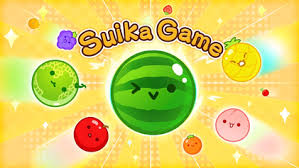
Suika Game is built on a straightforward idea: drop fruits into a container and combine matching ones to create larger fruits. Your ultimate goal is to merge your way up to a watermelon, which is the largest fruit in the game. Sounds easy, right? That’s exactly where the trick lies.
The game blends physics, planning, and a bit of luck. Each fruit bounces and rolls depending on how and where you drop it. Space is limited, and once your pile reaches the top, it’s game over. That constant pressure creates a fun tension that keeps you thinking one move ahead—or regretting the last one.
Gameplay Basics
You start with small fruits like cherries or strawberries. As you drop them into the container, identical fruits that touch will merge into a bigger fruit. For example, two small fruits become one slightly larger fruit, and this continues step by step until you eventually create a watermelon.
The challenge comes from managing space and positioning. Fruits don’t just stick where they land—they roll, shift, and sometimes mess up your carefully planned layout. A single poorly placed drop can disrupt your entire setup.
You don’t directly control the fruit once it’s released, so timing and placement matter a lot. You’ll need to think about angles, gaps, and how future fruits might interact with the current pile. It’s a bit like stacking objects in real life—except everything is round and slightly unpredictable.
Tips to Improve Your Game
If you want to last longer and actually reach those bigger fruits, a few simple strategies can make a big difference.
First, try to keep similar fruits close together. If you scatter them randomly, it becomes much harder to trigger merges later. Grouping them gives you more control and opens up chain reactions.
Second, don’t rush your drops. It’s tempting to play quickly, but taking an extra second to aim can prevent messy situations. A careful drop is almost always better than a fast one.
Third, think vertically and horizontally. Many players focus only on stacking upward, but managing the width of your pile is just as important. Keeping the base stable helps avoid sudden collapses that waste space.
Another helpful approach is planning ahead. When you drop a fruit, consider what it might combine into next—and where that larger fruit will end up. Good players are always thinking one or two steps forward.
Lastly, accept that things will go wrong. The physics element means you won’t have perfect control, and sometimes the game throws you into chaos. Instead of trying to fix everything at once, focus on stabilizing your layout and creating new merge opportunities.
Conclusion
Suika Game is a great example of how a simple idea can turn into something deeply engaging. It doesn’t rely on flashy graphics or complicated mechanics—instead, it builds its charm through satisfying interactions and just enough unpredictability to keep things interesting.
Whether you’re looking for a quick distraction or a puzzle you can slowly improve at, this watermelon-themed challenge delivers. It’s easy to pick up, hard to master, and surprisingly relaxing even when things get a little out of control.
If you enjoy games that reward patience, planning, and a bit of creativity, this one is definitely worth your time. Just don’t be surprised if “one more round” turns into a full hour.
Location
-
Miami, Florida, United States


Add a review